In November of 2000, I (Mike) moved to Russia to help establish a Russian Charity named MIR. A little over a year later I married Olga. Later, the Lord gave us a wonderful daughter, Valerie. Over the years, God has led us and blessed us in many ways.
We have a home in St. Petersburg, Russia and spend time in the USA, Romania, Montenegro and Estonia. I (Mike)have businesses in the USA and volunteer with Stoneworks International, a mission organization with projects in Europe. I also partner with churches in Uganda and Congo, so I travel a lot. I’m also the Technical Media Director for the Elisabeth Elliot Foundation.
We hope you’ll wander around here, learn more about us, have some fun and see evidence of the goodness of God.
“I am the way and the truth and the life. No one comes to the Father except through me.”
“I am the resurrection and the life. He who believes in me will live, even though he dies; and whoever lives and believes in me will never die. Do you believe this?”
On the cross, they offered Jesus wine mixed with myrrh to drink, but he didn’t take it.
— Mark 15
I have come into my garden, my sister, my bride. I have gathered my myrrh with my spice; I have eaten my honeycomb with my honey; I have drunk my wine with my milk. Eat, friends! Drink, yes, drink abundantly, beloved.
“But I tell you who hear me: Love your enemies, do good to those who hate you, bless those who curse you, pray for those who mistreat you. . . . love your enemies, do good to them, and lend to them without expecting to get anything back. Then your reward will be great, and you will be sons of the Most High, because He is kind to the ungrateful and wicked. Be merciful, just as your Father is merciful.”
A friend is going through a transition in life, and I thought I’d share with you what I shared with him.
“I’ve been through a few big transitions, and I have learned to take comfort from the fact that at some point in the future I will not be doing what I’m doing now. There is always a transition ahead. When the time of change arrives, then I say, ‘well, here it is; I knew there would be a transition and now it’s here.’ The Bible promises that God has prepared good work in advance for you to do, so your future is secure as you abide in Him. The Lord already knows what’s coming your way. “
Those who wait on the Lord are never put to shame.
Many years ago I attended a New Year’s Eve service at a small Methodist church near Athens, Georgia. They were holding a Covenant Service, written by John Wesley in 1755 to encourage believers to regularly re-state their commitment to the Lord.
This service has been very important to me over the years. When Olga and I started building our relationship, I told her about it. And on our wedding night, we went through this service together. It is a foundation of our marriage, and as individual disciples of the Lord, it is a foundation of our walk with Him.
You can see and download the entire service below. I strongly encourage you to make it a part of your devotional life. I have used it as a base for Bible study.
The service begins with a prayer for purity, and continues with worship, thanksgiving, confession of sin, asking of forgiveness, and then the assurance that our sins are indeed forgiven, in Christ. After this time of preparation, the service has a wonderful final prayer:
If you’ve listened to my podcast, this scripture is familiar to you.
I recently spent some time transcribing the first podcast episode. I may do more of this in the future, making that content available in print as well as on the podcast feed and my YouTube channel (the video is also below).
This text is highly edited and shortened somewhat from the podcast. I offer it to you, in case you find it helpful:
Jeremiah 6:16 says, Stand at the crossroads and look. Ask for the ancient paths. Ask where the good way is and walk in it, and you will find rest for your souls.
This has been a key verse for me for many years. I can’t remember when I first encountered it, but it was perhaps 25 or 30 years ago. As I have pondered and applied it, this verse has been very, very helpful as I’ve lived the life that God has given me.
I want to share a few thoughts which have been very beneficial to me and my family over the years. Let’s see how God can use this scripture it to influence our thinking and our perspective.
Stand at the crossroads and look, ask for the ancient paths.
The first thing that I see here is that we’re told to stand at the crossroads and look. That first word is vital: Stand.
As we go through our lives, we very often come to crossroads, times of decision. Some are very important decisions; some are perhaps not so important (or seemingly not so important), yet yet we come to these crossroads in life. Quite regularly, I find myself at a point of decision, a place where I need to see and understand how best to move ahead. I want to know, what does God have for me? Which way should I go?
As we come to these crossroads the Lord is saying, “Stand there. Don’t keep moving. Even if you feel like you must keep moving, do not keep moving. Stand and look. Take the time to stand.”
Our lives can be very hectic, the pressures on us can be so great. Perhaps people’s expectations of us cause pressure, or our expectations of ourselves can influence our decisions. And the Lord says, “Stand there and look.” Keep your eyes up. He wants us to look outside of ourselves to see what is going on.
And then the next sentence is perhaps the most important: ask for the ancient paths. It is so ery important to ask – not try to figure it out, not try to think things through, but to ask. Where are the ancient paths? Where are these good ways? What is the ancient path here before me? What is the good way for me? This is a worthy prayer.
And here I want to go to something that Jesus said when he was asked an important question. One of the experts of the law tested Jesus with a question. He said, “Teacher, which is the greatest commandment in the law?” And here Jesus replies, quoting Deuteronomy chapter 6, “Love the Lord your God with all your heart, with all your soul, and with all your mind. This is the first and greatest commandment.” Jesus is saying, “The most important thing of all the Law, is to love God.”
So then, returning to Jeremiah chapter 6, we come to a question – how do we discern the ancient path, the good way?
I believe Jesus revealed an ancient path: to love God.
And so, when I am given a choice, when I see options before me, I will ask for this ancient path: “God, which of these options helps me to love you more? Which of these decisions leads me to love you more?” Because an ancient path, a very good way, is the way that leads me to love Him more.
Very often when I ask that question, I’ll receive clarity quite quickly, because the Spirit is revealing His will. Often when I have a decision, one path will be either more selfish or self-concerned, or perhaps more comfortable or an easy, familiar choice. Another path will be one of self-sacrifice, of living by faith.
And then I can say, “Well, the thing that helps me to love God more is to take the path that may not be as familiar to me or as comfortable, but one that makes me depend upon Him more and walk into the miraculous, where I know that if he doesn’t do something, then nothing gets done.”
This helps me tremendously, to ask, “God, of all the options ahead of me, which is the way that helps me to love you more?” And then listen for this answer.
Ask for the ancient paths. Ask where the good way is and walk in it . . .
And this also is vital – to walk in what we’ve received from God. It’s a theme I return to very often. Not only do we need to know the will of God, but we also must do it. We must walk in it. This is the living out of His will. We ask for this path. We ask for the good way, and then we walk. We don’t just do something a single time; we live it out.
Jesus himself said, “I am the way.” Christianity is not a set of religious beliefs to which we give mental ascent at one point in time. To be a Christian is to be a disciple of Jesus. And a disciple is one who travels with his teacher, who lives with his teacher, who sits at his teacher’s feet and learns.
Jeremiah 6:16 is saying, ask where that good way is and then walk in it. Don’t run, don’t be scared, don’t look back fearfully, just walk in the way that God has shown you.
And the promise is you’ll find rest for your soul. That’s a promise, the natural result of obedience. If we stand at a crossroads and we look around and we ask God to reveal the ancient paths, the good way, and then we walk in what he’s revealed to us, then our souls will be at peace. We will find that rest.
This is a fundamental understanding for Christians – the importance and the necessity of surrendering our will to God, standing at these moments of choosing and asking Him to show us the way and then actually doing His will, by His grace.
Jesus himself said, “Anyone who hears these words of mine and puts them into practice is like a man who built his house on a rock.” But, Jesus said, “If anyone hears these words of mine and does not put them into practice, then he’s like a man who built his house on sand.” The difference is the doing of what he says, not the hearing of it.
Perhaps you, wherever you are, whatever your circumstance, are at a crossroads in life, a point of decision making, and you’re not sure of where God wants you to go, what path He wants you to take. I encourage you, stand, don’t let people force you into making a decision before you have revelation from God. He will give you what you need when you need it.
James says that if any of us lacks wisdom, we should ask, and God will give wisdom without finding fault. And when we ask, we should not doubt that He’s going to give us wisdom. Because if we do doubt, then we’re like waves in the ocean. We’re just thrown back and forth.
So, I encourage you – stand at the crossroads, you be immovable, and you ask the Lord to reveal His will. What is the ancient path for you? Expect His answer. He will give it to you when you need it. It may be at the very last moment; it may be a few months in advance. It’s up to Him when He wants to reveal His will for you. He knows the best time.
He’s never late, so he’s never anxious.
Stand at the crossroads and look. Ask for the ancient paths. Ask where the good way is and walk in it, and you will find rest for your souls.
A friend shared this with me the other day and I thought it would be good to share here – mc.
Reprinted from JAMA – The Journal of the American Medical Association
REVISED from JAMA – The Journal of the American Medical Association March 21, 1986, Volume 256 Copyright 1986, American Medical Association
ON THE PHYSICAL DEATH OF JESUS CHRIST
William D. Edwards, MD; Wesley J. Gabel, M Div; Floyd E Hosmer, MS, AMI
From the Departments of Pathology (Dr. Edwards) and Medical Graphics (Mr. Hoamer), Mayo Clinic, Rochester, Minn.; and the Homestead United Methodist Church, Rochester, Minn., and the West Bethel United Methodist Church, Bethel, Minn. (Pastor Gabel).
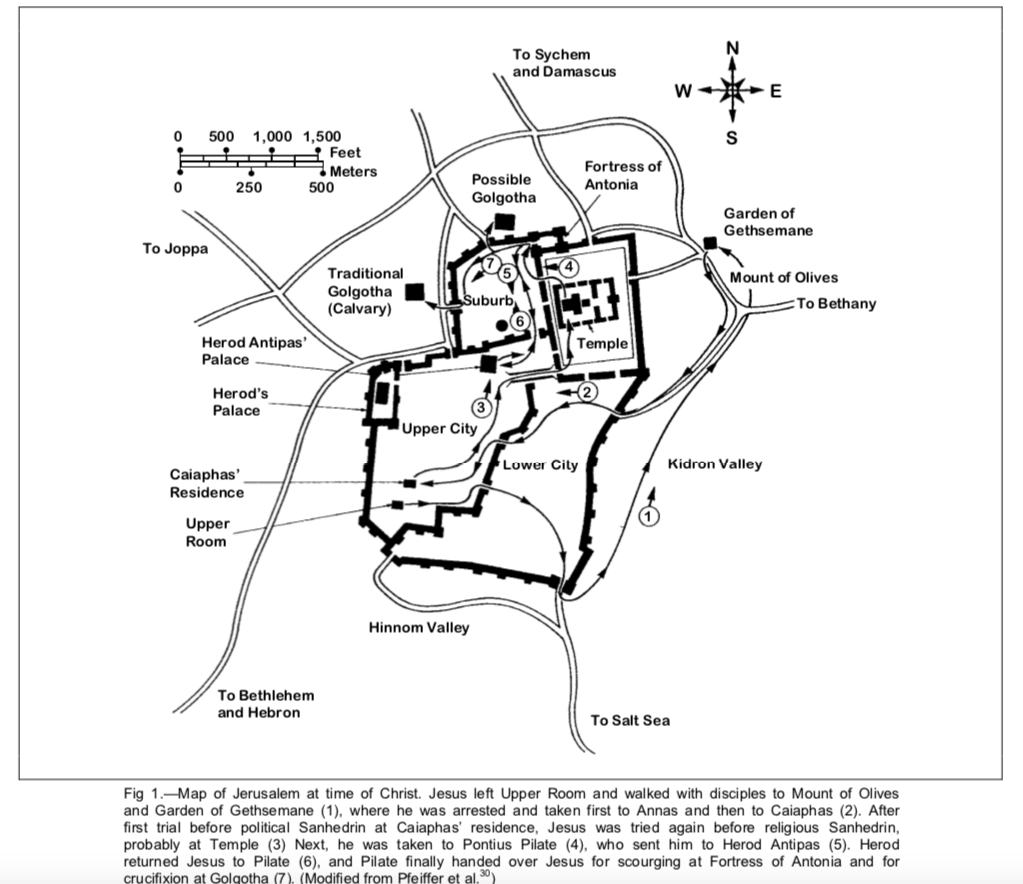
Jesus of Nazareth underwent Jewish and Roman trials, was flogged, and was sentenced to death by crucifixion. The scourging produced deep stripelike lacerations and appreciable blood loss, and it probably set the stage for hypovolemic shock, as evidenced by the fact that Jesus was too weakened to carry the crossbar (patibulum) to Golgotha. At the site of crucifixion, his wrists were nailed to the patibulum and, after the patibulum was lifted onto the upright post (stipes), his feet were nailed to the stipes. The major pathophysiologic effect of crucifixion was an interference with normal respirations. Accordingly death resulted primarily from hypovolemic shock and exhaustion asphyxia. Jesus’ death was ensured by the thrust of a soldier’s spear into his side. Modern medical interpretation of the historical evidence indicates that Jesus was dead when taken down from the cross.
The life and teachings of Jesus of Nazareth have formed the basis for a major world religion (Christianity), have appreciably influenced the course of human history and, by virtue of a compassionate attitude towards the sick, and also have contributed to the development of modern medicine. The eminence of Jesus as a historical figure and the suffering and controversy associated with his death has stimulated us to investigate, in an interdisciplinary manner, the circumstances surrounding his crucifixion. Accordingly, it is our intent to present not a theological treatise but rather a medically and historically accurate account of the physical death of the one called Jesus Christ.
The killings continue in Northeast Congo. I asked friends in Congo to send news:
From Damiri (church planter, pastor and a bishop over the churches):
There have been many attacks and killings in the region that have caused our pastors, their families and many church members to move, some to Beni, some to Butembo and others in the deep equatorial forest. After several attacks in Biane, pastor Muyali has moved to Beni with his family and some of his church members, most of them displaced and started living at about 40 kilometers from Biane, near Mambelenga.
Last month as Muyali and Alphonso (our pygmee brother) were preparing to build our church in Mambelenga. Killers came day time and shot bullets on people in the market, others were killed by axles and machetes, houses and a clinic were burnt down. They kept their operation until next morning. Our church members ran to Apende for refuge, pastors escaped from killings in Mambelenga, but until today nobody can tell how many were killed in Mambelenga. About a week later Apende was attacked, Noela [Bethuel’s wife] had left two days before the attack, she had been teaching there; after Mambelenga was attacked, there was no taxi taking people out of that zone, Bethuel had to send brother Bosco from Beni to get Noela back to Beni.
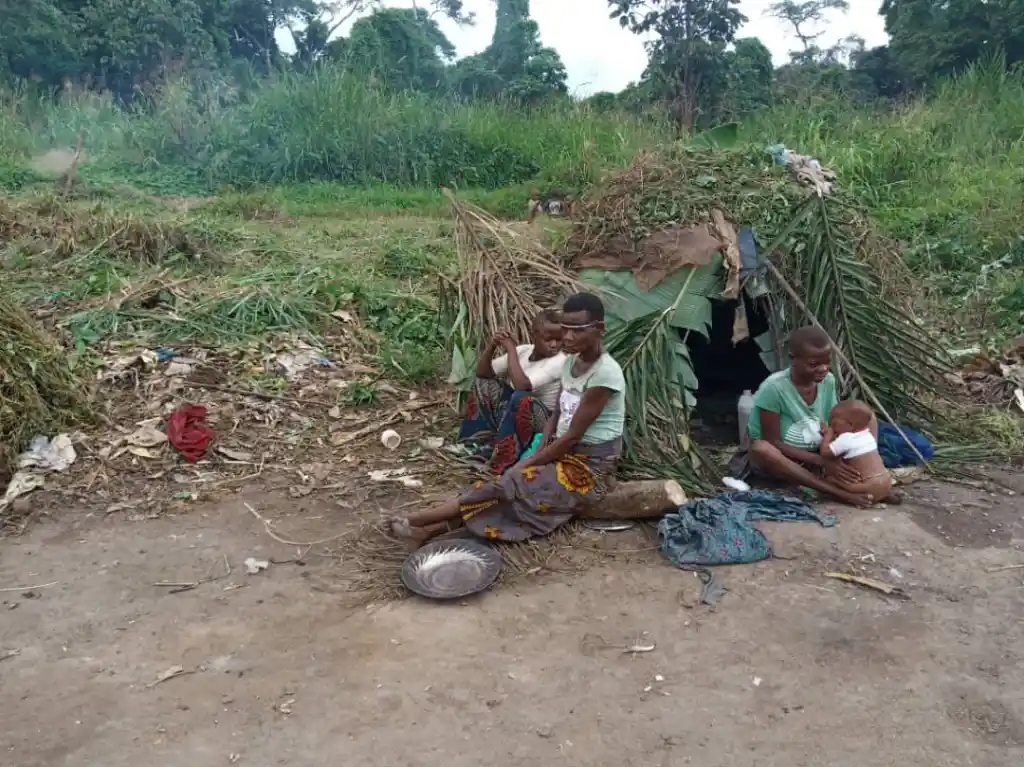
During Apend’s attack, Pastor Germain’s family was scattered in the jungle for one day they did not know where is each other family member was, finally when they decided to go to Beni, we thank God they reached Beni the next day after three motorbike break on their way to Beni in very bad spots where killers pass most of the time. Some of our Church members from Apende are in Beni, while others went to Mongamba where Pastor Elu is planting our church. Five of our churches are closed now due to the massacres. Pastors and their families are now in Beni and Butembo.
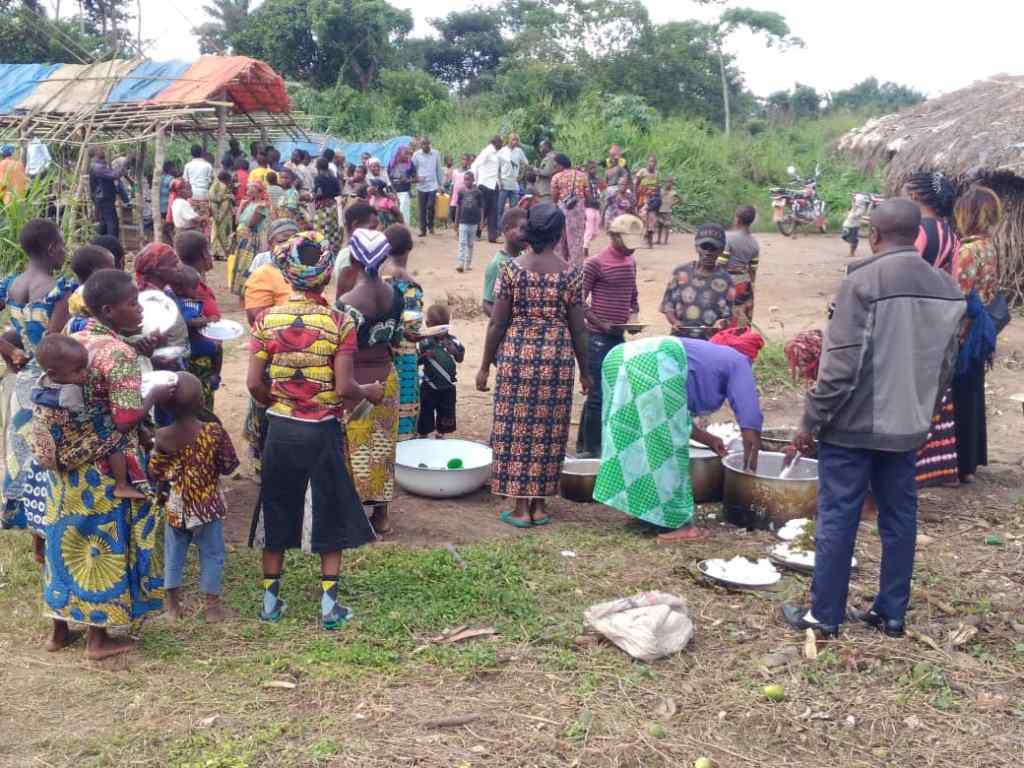
It is now about one month since Oicha was attacked, people do not sleep in their houses in Oicha fearing for their lives, because killers come sometimes while people are asleep. So every evening they lock up their houses and go to the city center to spend the night on the main road sides. About three weeks ago we had a group of 50 displaced from Oicha, they came to our church in Butembo for assistance.
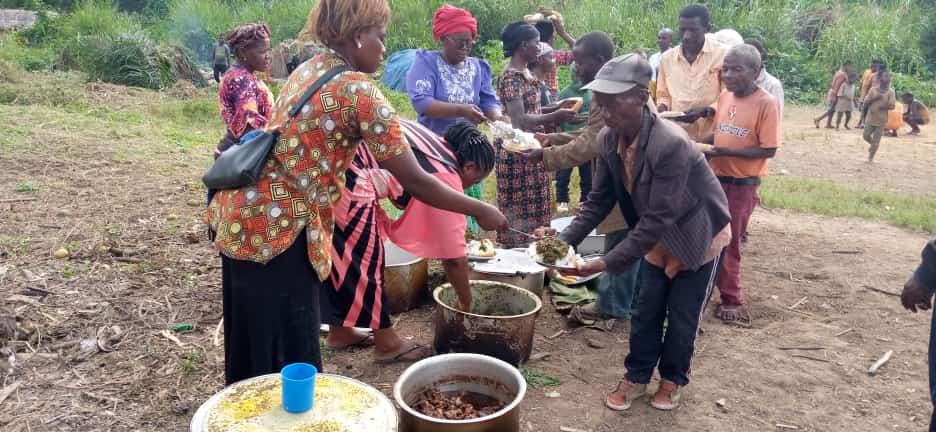
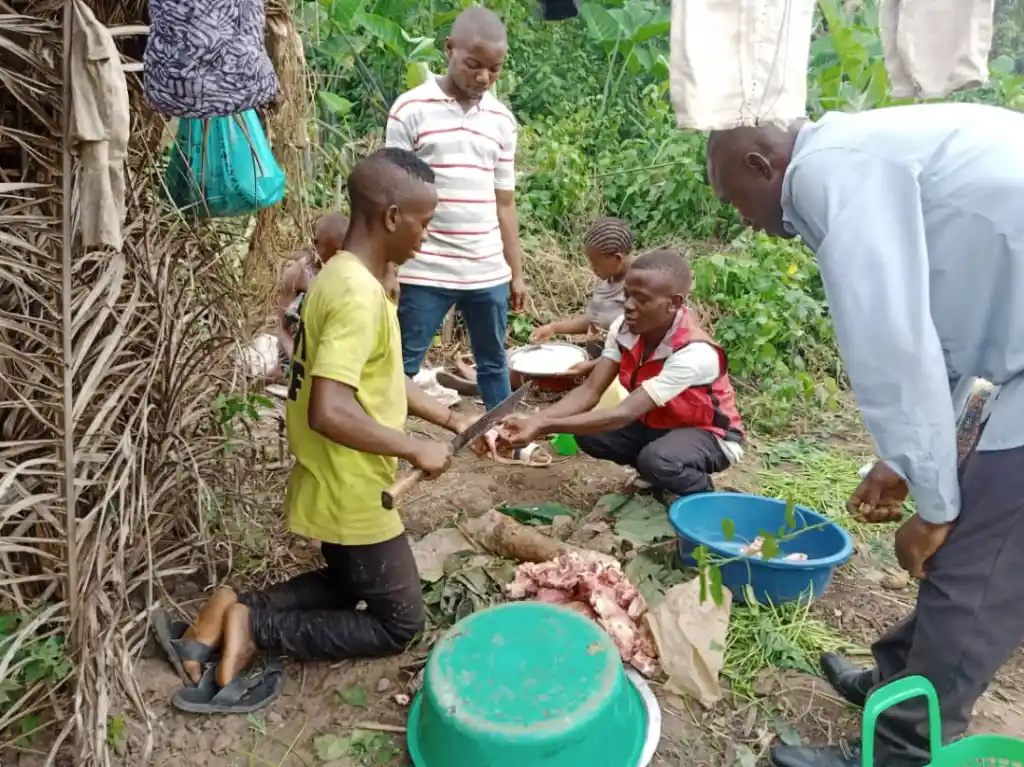
Beni is full of refugees from all the suburbs around. The main problem is that, they leave almost everything in their villages and cities, they have no food, no pets, no jerrican to fetch water, no bedding… our churches in Beni and Butembo have been assisting the refugies a little bit, but needs are great.
About one month now, the Italian ambassador got killed at about 15 kilometers from Goma [far to the South]. The officer that went for investigations also got killed.
We have more than 100 rebel groups in our region. But killers in Beni are Islamist “Daesh”. The situation is complicated, because some of our soldiers are involved, sometimes things that were looted in villages and cities are found in the army barracks.
Thanks for praying for North Kivu and Ituri region.
From Bethuel (pastor, businessman and bishop):
We are grateful to all brothers and sisters who care for the Church in Congo. Indeed, we are crossing a very traumatizing period.
Since the killing of our two missionaries [a few years ago], we have not been able to live in peace. We are serving God in very insecure zones. When one of us goes in those risky zones we feel like we may never see him back again, but God cares.
The ministry is heavy on us but we are not discouraged. Orphans, widows… displaced people cry day and night for help. Six years of bloodshed, it is too much.
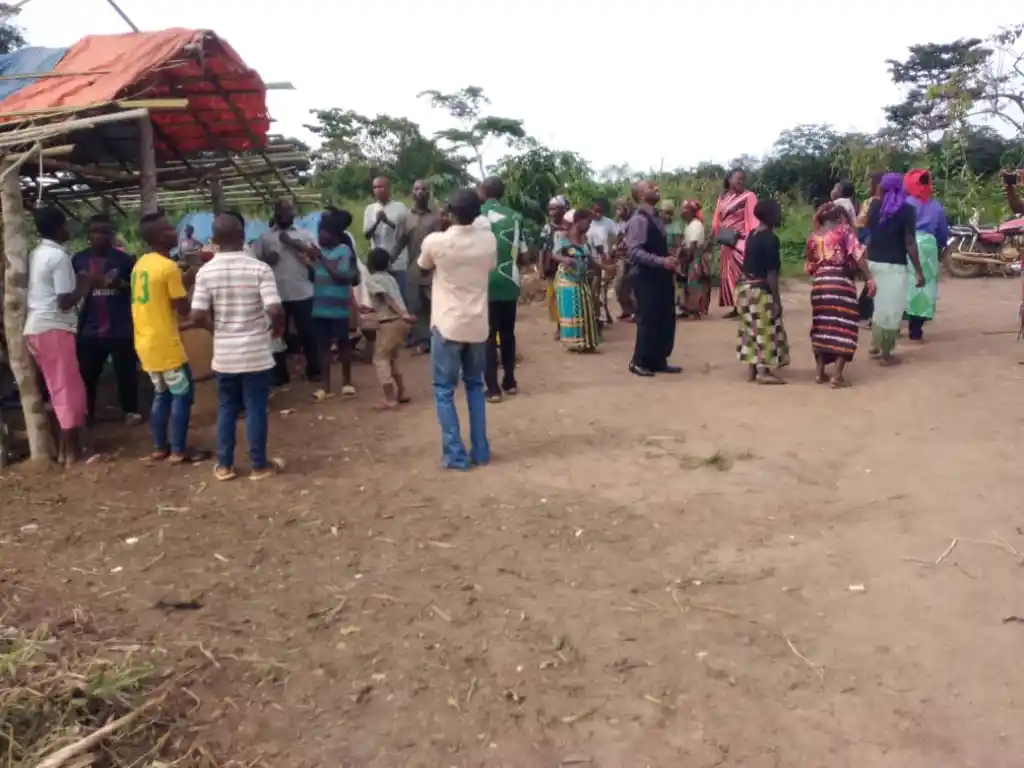
I recently received an update on the work in Congo.
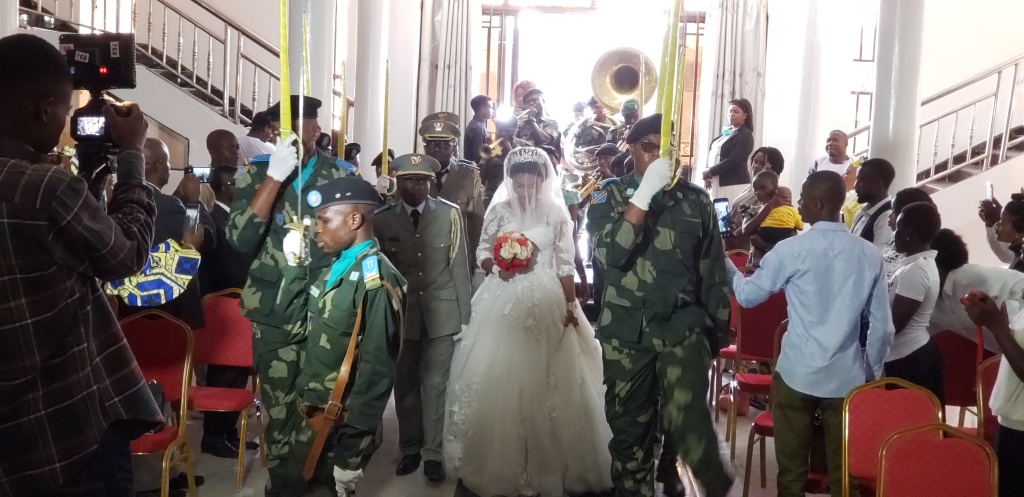
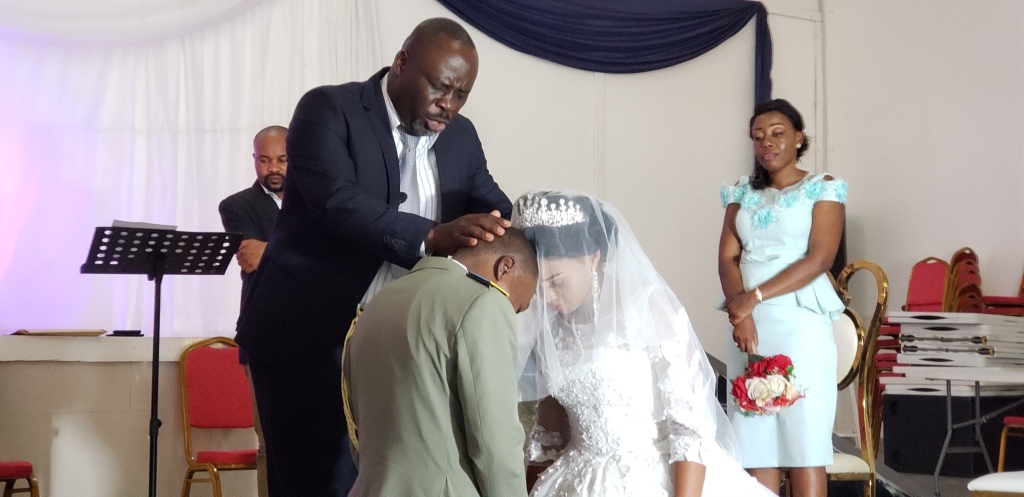
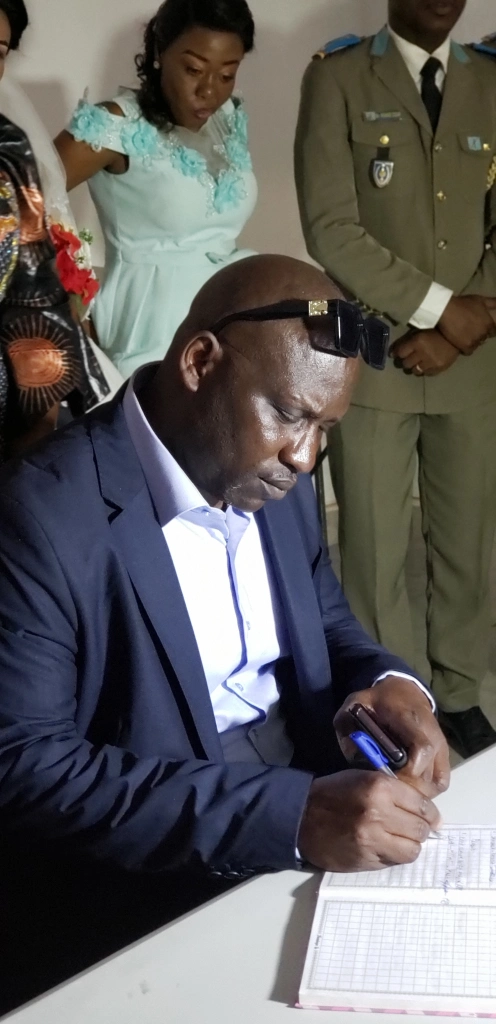
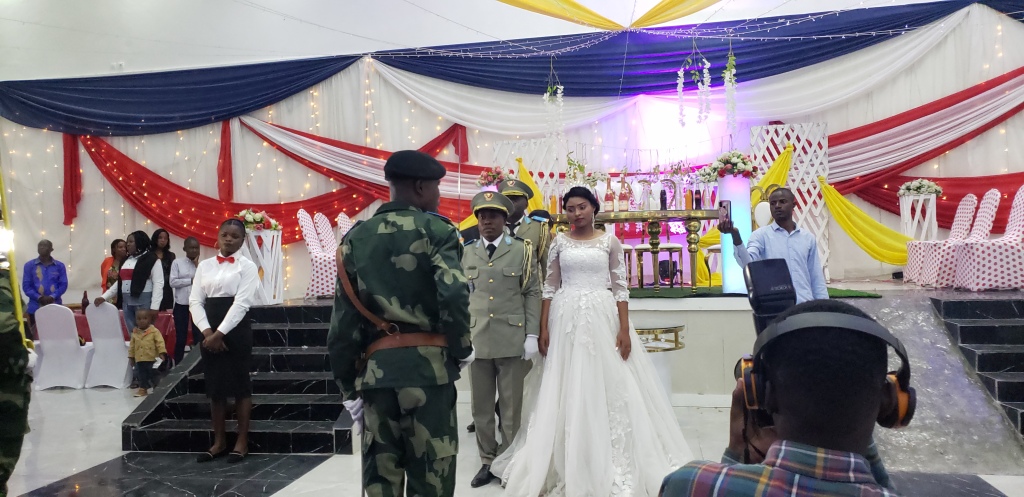
Damiri presided over a wedding at his church in Goma.
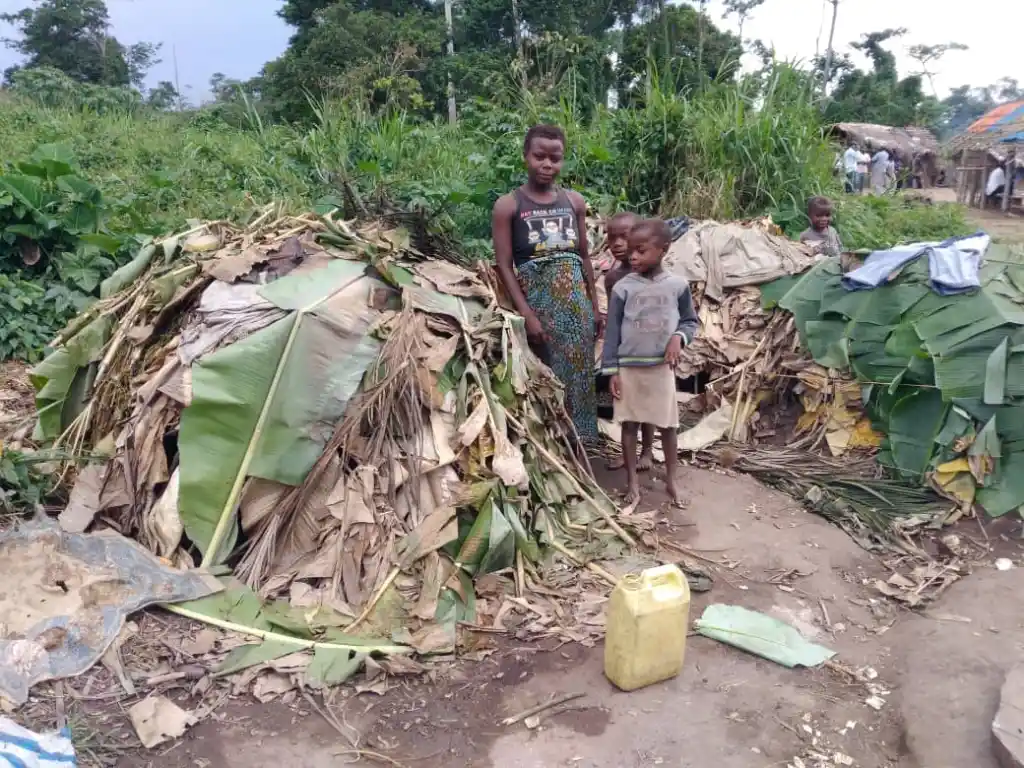
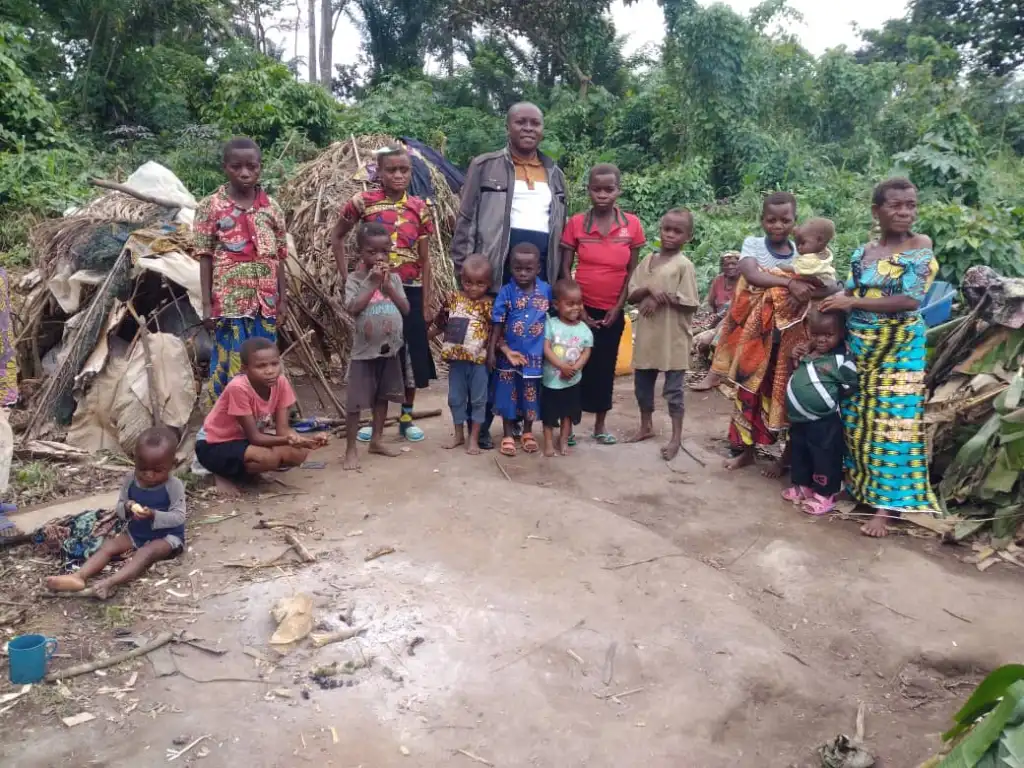
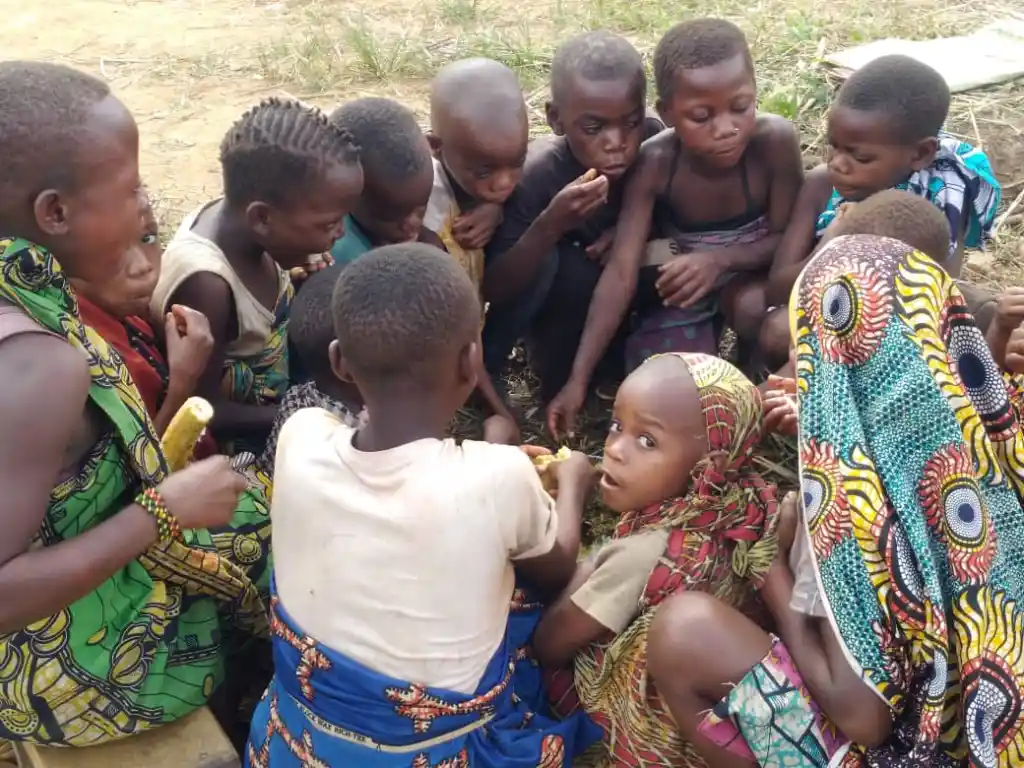
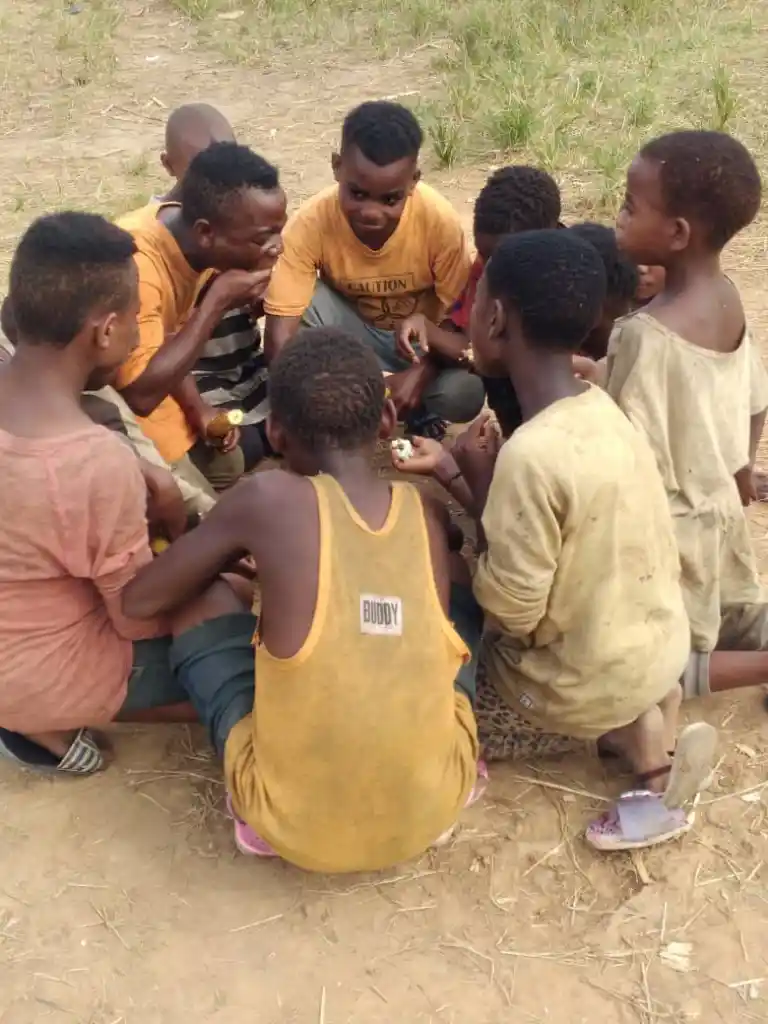
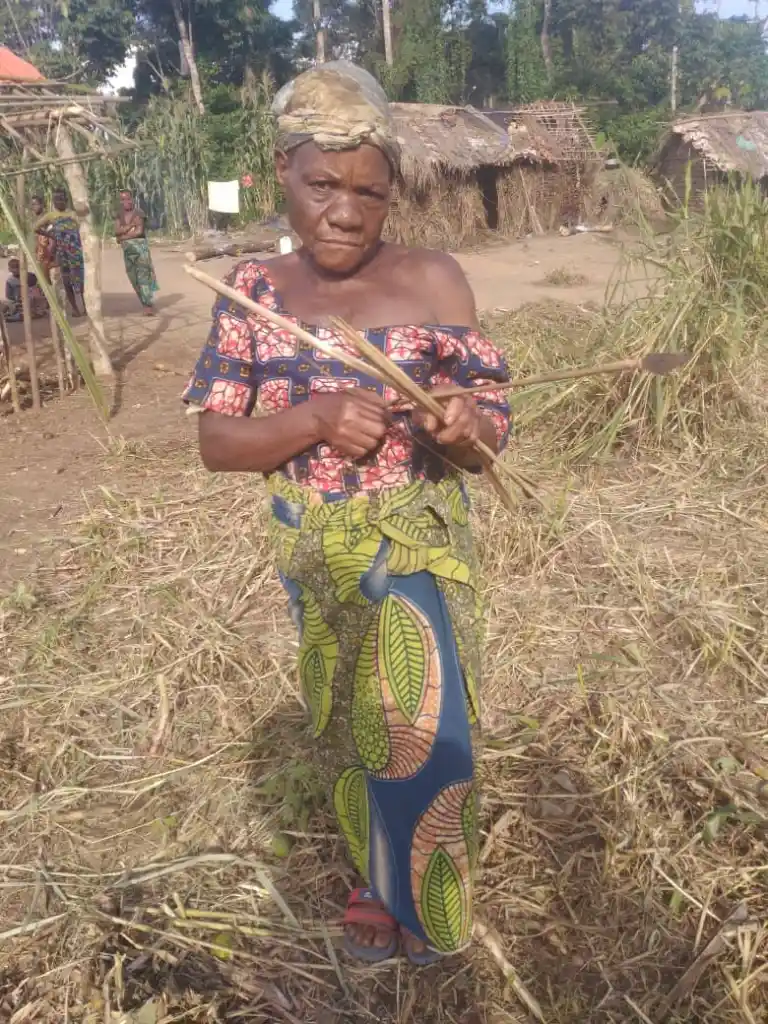
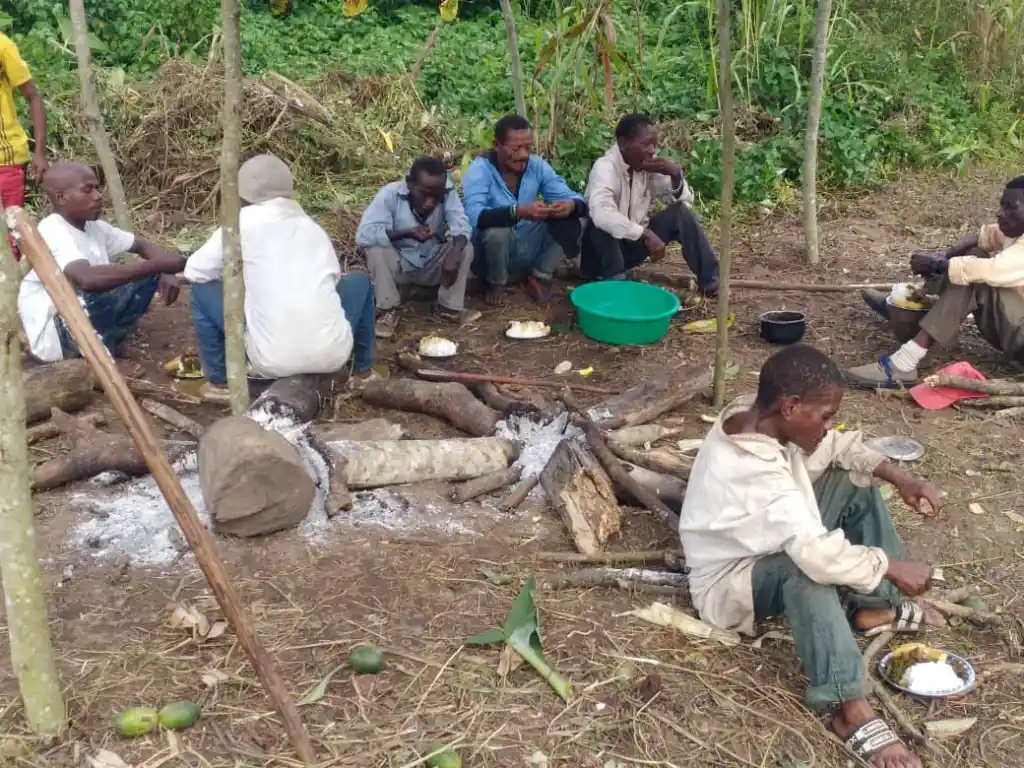
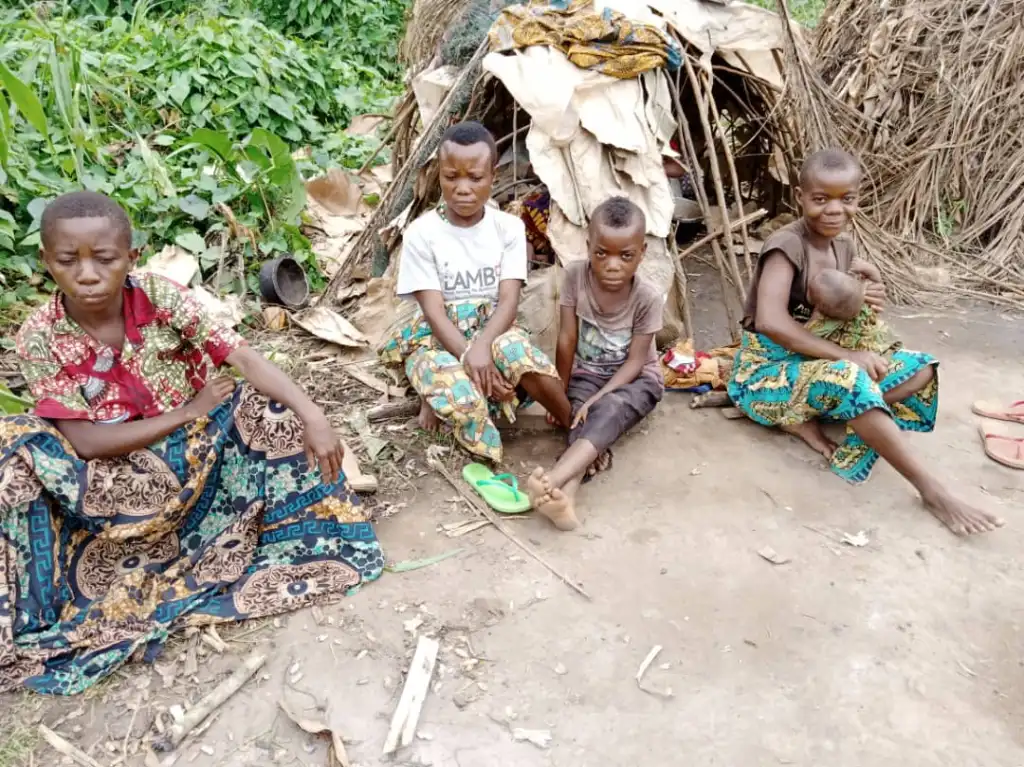
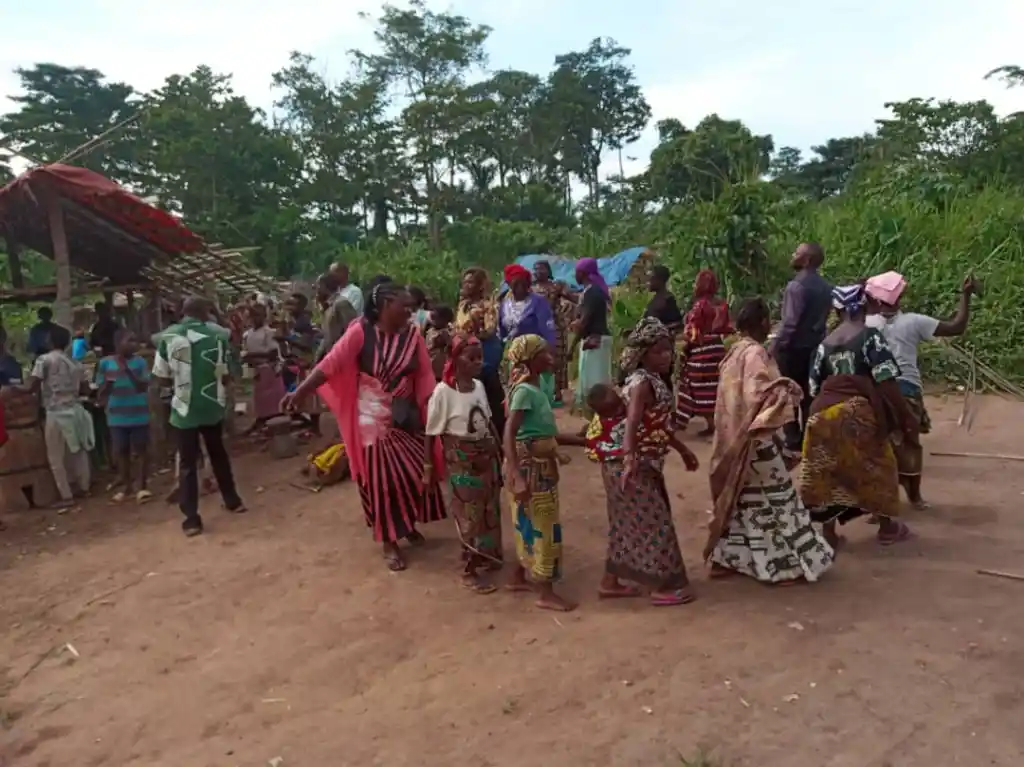
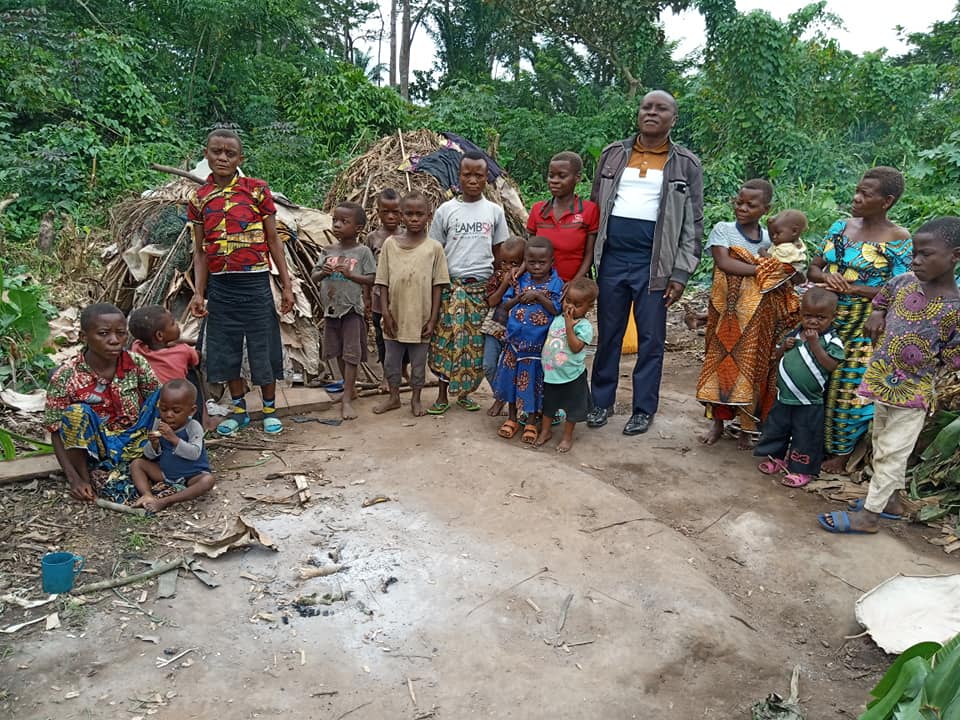
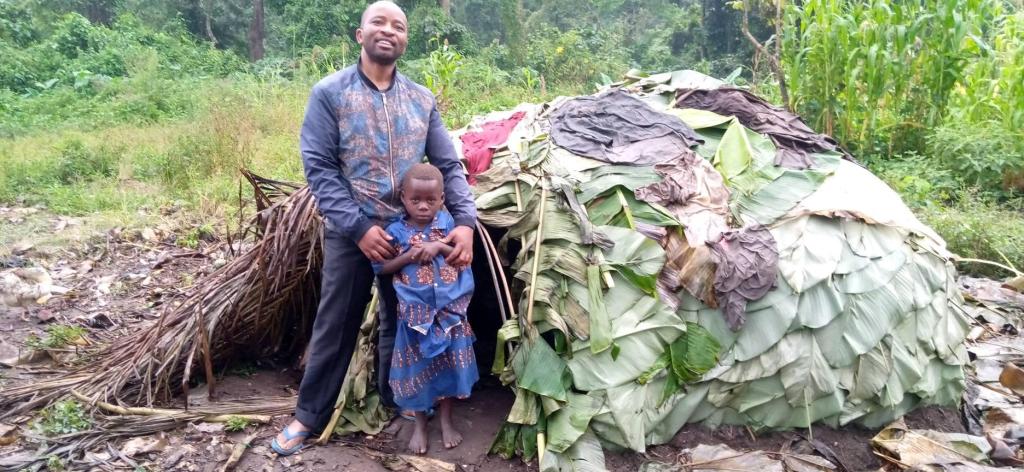
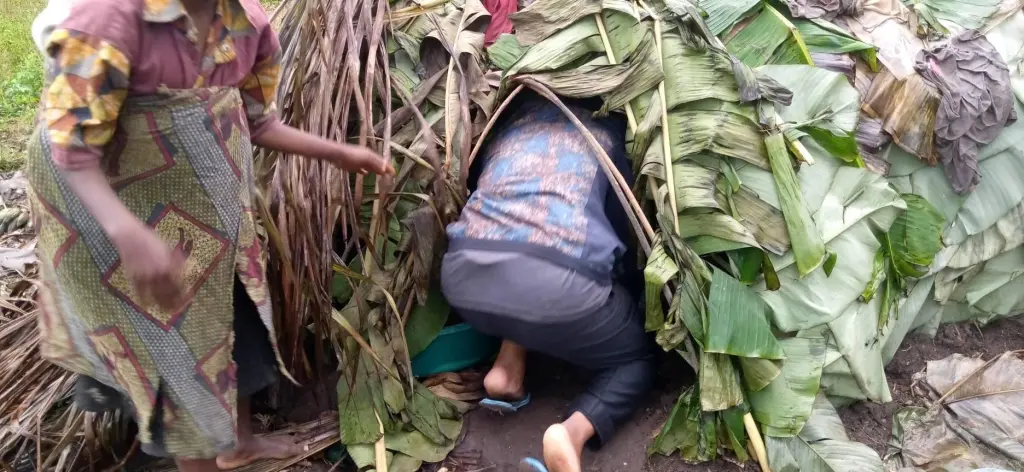
Jeremie, Bethuel and others made a mission trip to a pygmy village.
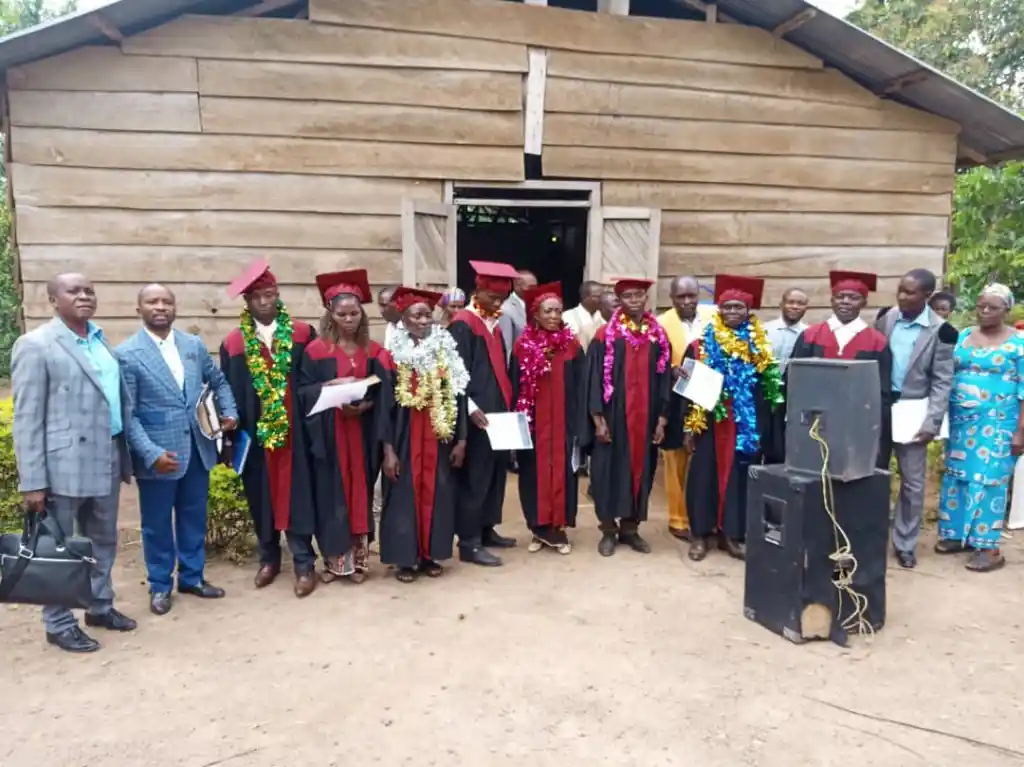
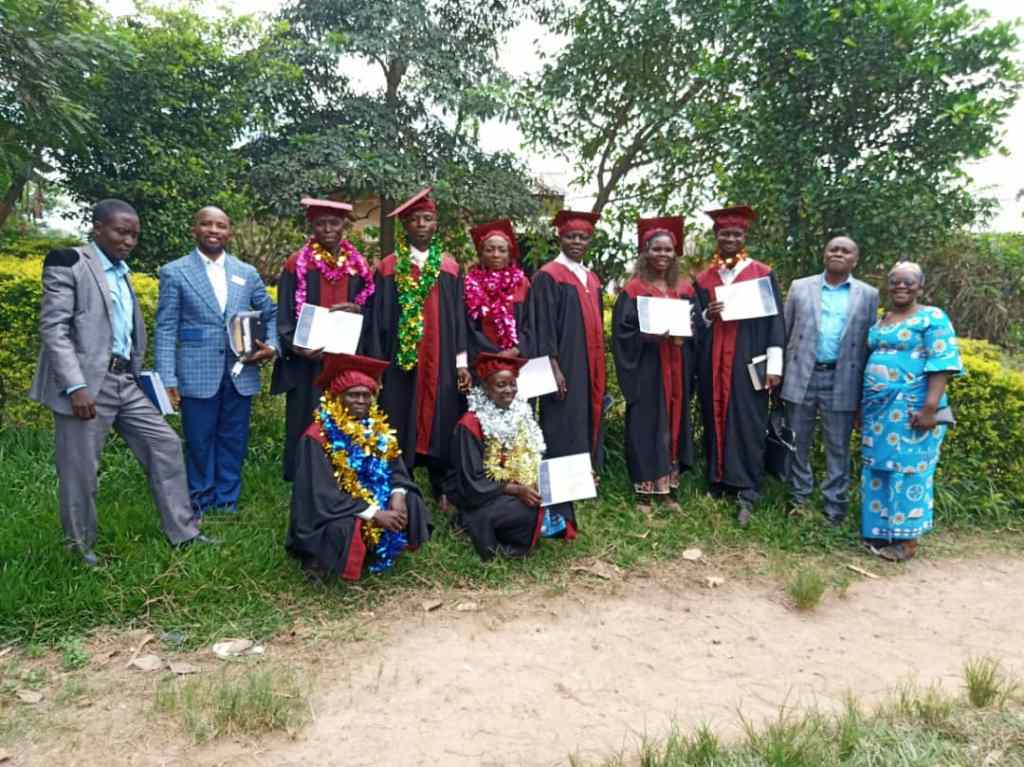
Students graduated from Bible school.
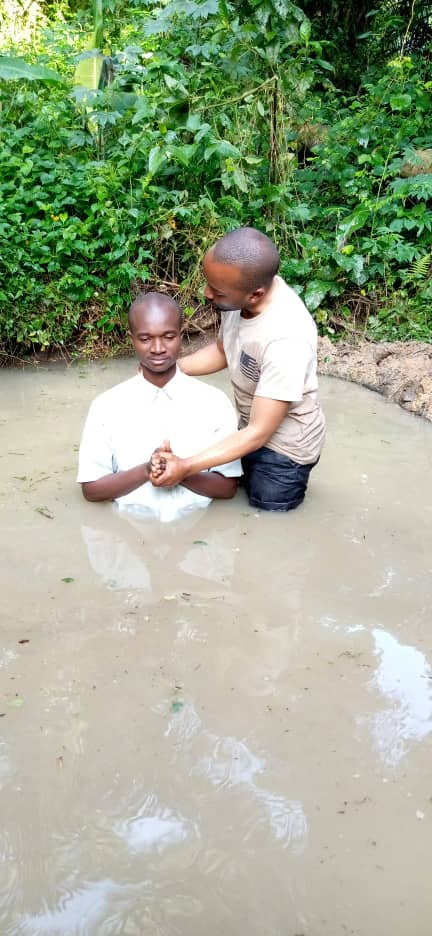
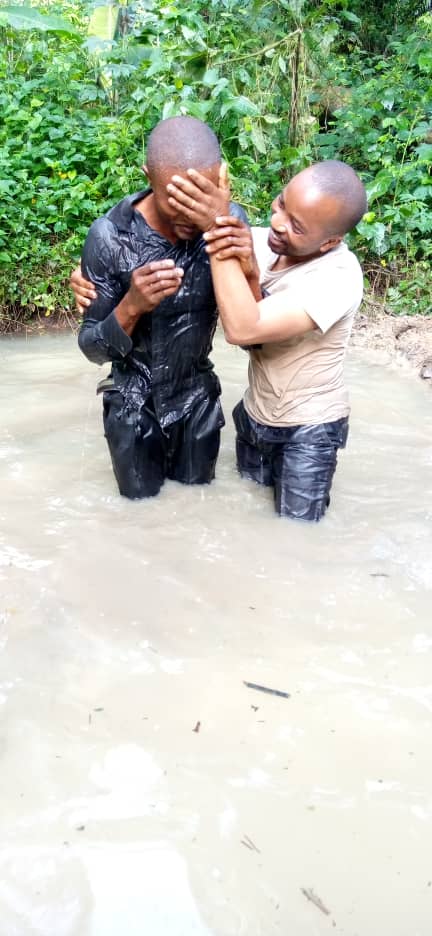
Several new believers were baptized.
That part of Congo has many difficulties, and it’s a joy to see the church doing its work: preaching the gospel, baptizing believers, and leading people into maturity in the Lord.
 In November of 2000, I (Mike) moved to Russia to help establish a Russian Charity named MIR. A little over a year later I married Olga. Later, the Lord gave us a wonderful daughter, Valerie. Over the years, God has led us and blessed us in many ways.













 Mike and Olga Cantrell